Food hygiene and commercial cleaning experts in Brampton assist you in maintaining dining venues, food supply centers, baking operations, warehouses, and food service units in compliance. They sanitize high-touch points, food preparation zones, equipment, floors, drains, restrooms, and food handling zones with approved chemicals, proper dilution, and documented exposure durations.
Main Points
- Brampton's sanitation experts provide services to restaurants, grocery departments, commissaries, warehouses, bakeries, schools, mobile vendors, and allergen-sensitive operations.
- Frequently contacted areas, food-contact equipment, kitchens, floors, drains, restrooms, and storage areas are disinfected using area-specific procedures to reduce cross-contamination.
- Proper chemical concentration, appropriateness, and contact time are checked by trained providers, with finishing recorded via checks, reviews, and corrective-action records.
- Everyday, regular, and annual operations distributed by location form hygiene timelines grounded on danger, production volume, format changes, accidents, and regulations.
- Suppliers should exhibit HACCP, health regulatory understanding, safety training training, insurance, references, color-coded tools, and inspection-ready sanitation paperwork.
What Brampton Facilities Require Food Safety Cleaning?
You must adhere to food safety cleaning if your establishment is covered by health inspections, food codes, or HACCP protocols. This covers food venues, break rooms, food centers, supermarket areas, butcheries, seafood displays, shops, and commercial food prep.
Adherent sanitation standards continues to be needed in storage facilities, production centers, refrigerated warehouses, bakeries, school nutrition services, event spaces, and delivery hubs. Temporary mobile establishments matter as well, such as catering vehicles, festival vendors, and pop-up establishments. Your facility needs recorded sanitation procedures whenever your employees handle raw materials, divide prepared dishes, warm meals, or keep allergens stored. In Brampton, food safety stays elective; it forms part of legal, operational, and consumer protection compliance.
What Services Do Brampton Cleaning Experts Provide?
You need professional cleaners who disinfect frequently contacted areas, kitchen areas, floors, and bathrooms to meet food safety and public health standards. They focus on these spaces because they pose the greatest danger for cross-contamination, slip hazards, and sanitation breaches.
If you grasp what they sanitize, you'll successfully ensure your operation satisfies required operational and regulatory standards.
Cleaning High-Touch Areas
Sanitation in Brampton companies underscore high-touch surface sanitizing due to the potential of microbes and residue transferring across the establishment. You should establish a scheduling system for cleaning all high-touch items including handles, plates, switches, railings, control surfaces, POS systems, and refrigeration equipment. Applying surface identification mapping, experts pinpoint every frequently handled point and determine cleaning frequency
ensure proper cleaning
Kitchens, Floors, and Restrooms
Brampton cleaning services focus on kitchens, floors, and restrooms as each zone presents distinct sanitation, accident, and public health risks. In industrial kitchens, you need degreasing on cook lines, equipment exteriors, drains, prep surfaces, and splash zones to minimize contamination and pest pressure.
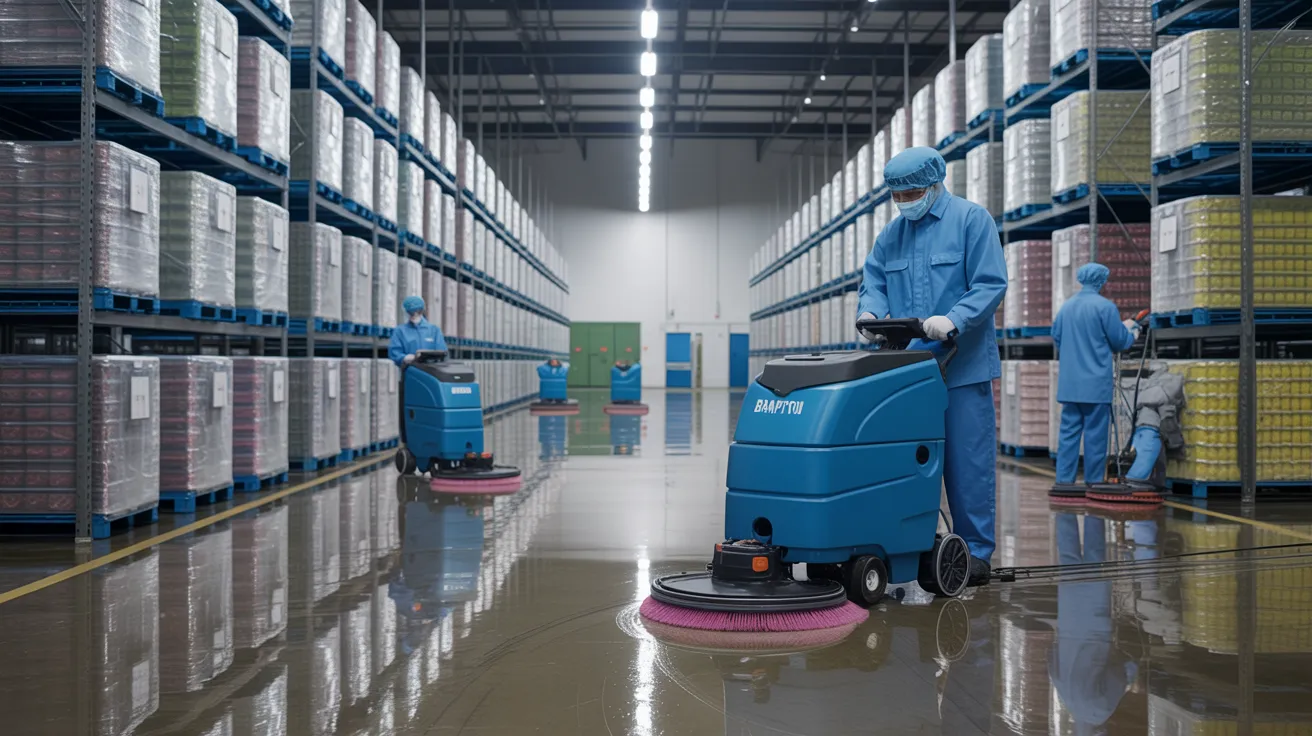
Floor care that is documented should equally be anticipated. Technicians scrub and extract buildup from tile grout, ceramic surfaces, and vinyl floors, then apply appropriate drying controls so you can reduce slip incidents and maintain code-compliant conditions. They also address entryways where moisture and debris migrate indoors.
In restrooms, cleaners treat touchpoints, fixtures, partitions, dispensers, and waste containers then restock supplies and control odours. They also maintain restaurant cleaning supply rooms where product storage, sink cleanliness, and drain systems impact daily sanitation standards and worker protection.
The Importance of Food Safety Cleaning in Brampton
Brampton facilities demand proper hygiene standards to fulfill compliance obligations and pass inspections. You also minimize bacterial spread through proper cleaning of food-preparation surfaces, appliances, and frequently-touched items. Most importantly, you help protect public health by lowering the risk of foodborne illness in your facility.
Sanitary Standards Adherence
Since Brampton food establishments must follow strict public health standards, your hygiene maintenance directly affects your ability to meet health codes, defend diners, and eliminate regulatory penalties. You must maintain sanitary food-contact surfaces, written maintenance records, correct sanitizer application, and auditable operational standards that meet municipal and provincial inspection expectations.
Inspectors evaluate your operation to confirm that your hygiene protocols maintains safe storage, machinery hygiene, refuse management, and washroom maintenance.
Cross-Contamination Avoidance
Adhering to regulatory guidelines requires your skill in preventing cross-contamination throughout routine preparation and sanitation work. You need to separate raw ingredients from ready-to-eat foods, sanitize work stations after each task, and keep chemicals away from food-contact items. Structured procedures reduce transfer risks and maintain ongoing regulatory adherence.
You could implement allergen segregation to prevent priority allergens from contacting common areas, containers, or machinery. Apply separate boards, color-marked equipment, and strict utensil labeling so staff don't mix items throughout cooking or delivery. Mandate handwashing after handling raw meat, seafood, eggs, or allergen-containing products. Swap cleaning rags frequently, and test disinfectant concentration using strips. When you train staff to follow these controls every shift, you create a cleaner, safer operation that matches Brampton's safety requirements every day.
Public Health Safeguarding
If food safety cleaning summary declines, you don't merely face potential inspection issues—you boost the probability of foodborne illness affecting customers, staff, and the broader Brampton area. You also weaken your role in protecting public health, especially in high-traffic food premises where contamination can spread quickly through surfaces, equipment, and touchpoints.
You must implement cleaning procedures that remove soils, effectively sanitize, and ensure effectiveness. This entails adhering to contact periods, deploying approved disinfectants, maintaining records, and coaching staff to fulfill health-unit expectations. These initiatives promote disease prevention by reducing microbes before contaminating food or hands. In Brampton, robust sanitation protects at-risk groups, curtails outbreak likelihood, and proves your diligence. When you adhere to proper protocols, you exceed requirements—you meaningfully lower danger and promote secure food service throughout the city.
How Can Cleaning Practices Ensure Food Safety Compliance?
Strict sanitation practices promote food safety compliance by lowering contamination exposure, limiting pathogen development, and positioning your facility in accordance with sanitation requirements under HACCP-based programs and public health regulations. You ensure that food-contact surfaces appear visibly clean and microbiologically controlled, backing documented preventive controls and inspection readiness.
Proper cleaning procedures also reinforce allergen mitigation by extracting residues that can lead to undeclared allergen exposure.
When Do You Schedule Commercial Cleaning?
food-contact areas, bathrooms, and high-touch areas
monthly timings for drains, ventilation systems, storage racks, and difficult-to-access areas, according to inspection findings and sanitation records.
How Do You Choose Brampton Cleaning Experts?
Evaluate providers first by food-safe sanitation requirements rather than price alone. You must ensure each provider understands CFIA, public health, and HACCP-aligned expectations for your business. Request insurance proof, WHMIS compliance, staff training documentation, and supervision methods. Check technician awareness of cross-contamination risks, chemical handling, and documented sanitation practices.
You should further examine operational reliability and answerability. Request testimonials from Brampton food businesses, then review response times, corrective action plans, and communication standards. Validate the company supports supplier audits and can present inspection-ready documentation to authorities or third parties. Confirm equipment receives maintenance, color-coded implements are applied correctly, and facility-specific risks are recognized. A experienced service protects compliance, product quality, and your reputation in the market.
What does a cleaning and sanitation plan encompass?
Develop a written plan that clarifies every sanitation responsibility, standard, and task prior to production start. You should detail cleaning frequencies, approved chemicals, dilution rates, contact times, tools, and verification methods for each location, surface, and apparatus. Include pre-operational inspections, corrective actions, and employee training requirements.
Your plan should also address contamination prevention, garbage management, pest control procedures, and recorded timelines for restrooms, drains, floors, and food-contact areas. Detail how you'll separate raw and ready-to-eat processes, enable ingredient tracking, and ensure accurate allergen labeling through validated cleaning between product changes. You should designate accountability, keep signed records, and review results against regulatory standards, HACCP controls, and customer requirements. When gaps appear, update procedures immediately and retrain staff.
Regular Asked Questions
Do cleaning services work during overnight shifts at Brampton facilities?
Yes, you can arrange cleaning services to accommodate nighttime operations in Brampton facilities. You'll coordinate nighttime cleaning around operational windows, access requirements, and staffing levels. Providers generally create overnight logistics to reduce interruption, maintain standards, and track completed work. You should confirm arrival schedules, management, lockout protocols, and disposal procedures before starting service.
Will Brampton cleaning experts respond to hazardous incidents?
Yes, you can expect many Brampton cleaning experts to provide emergency spill response solutions. They handle hazard containment, assess risks, contain contamination, and start rapid decontamination to minimize risk and operational disruption. You should confirm their response times, professional credentials, PPE protocols, and waste management. If your facility must comply with industry standards, select a service that records events, follows compliant sanitation standards, and enables compliance verification.
Are environmentally safe disinfectants safe for food preparation areas?
In essence, plant-based sanitizers are safe for food preparation areas provided you choose solutions certified for food use that adhere to compliance requirements. Check exposure duration, dilution rates, and rinse protocols before use. Plant-derived products lower chemical hazards, although you must have demonstration of efficacy against relevant pathogens. For maintaining residue-free conditions, stick to manufacturer directions precisely and confirm the cleaning agent satisfies food industry regulations.
Will sanitation programs accommodate seasonal shifts?
Absolutely, cleaning schedules are customizable for production fluctuations. Adapt schedules, staff levels, chemicals, and testing procedures to match seasonal workflows while sustaining compliance standards. Decrease operational delays through scheduling sanitation amid changeovers, peak volumes, and usage patterns. Also revise procedural documents, instruction programs, and monitoring protocols to capture transient threats, emerging allergens, or higher contamination levels. Continuous reviews ensure your strategy effective.
Are professional cleaning companies providing employee instruction on hygiene protocols?
Certainly, professional cleaning experts coach your staff on sanitation best practices. You secure staff training on correct chemical practices, contact times, contamination control, machine disassembly, and documentation procedures. They typically align instruction with HACCP, GMP, and CFIA or local public health requirements. Many also run health assessments to verify compliance, identify gaps, and reinforce corrective actions. This helps you maintain consistent procedures, satisfy audits, and minimize foodborne pathogen risks daily.
Final Thoughts
Through working with Brampton commercial cleaning and food safety experts, you do far more than tidy—you ensure your facility for inspections and your standards meet requirements. From kitchen spaces to processing areas, all maintained surfaces and kept corners help prevent pest problems and prevent significant costs. Through scheduling maintenance on suitable timelines and sticking to a solid cleaning plan, you safeguard your team, clients, and your standing. Within strict regulatory frameworks, clean conditions cannot be considered optional—they are fundamental to success.